
I recently reconnected with a close friend from my radio days, who happens to be a financial advisor. I was one of the many reasons he launched his own radio show years ago. When we got together again, he talked about how his firm had grown exponentially, after some challenging periods, through radio, TV and educational events. He mentioned one thing that really caught my attention. He said, “I changed the way I talked about ‘retirement.’ Retirement sounds like the end of something. I started referring to it as the beginning of the ‘freedom years.’”
That really made me think, and that’s what this article is about.
For decades, financial advisors and insurance agents have built their marketing around one word: “retirement.” Retirement planning. Retirement income. Retirement readiness. Retirement solutions. Retirement seminars. Retirement reviews. It makes perfect sense because “retirement” is the language the financial services industry has always used.
But there may be a problem with the word itself: retirement can sound like an ending instead of a beginning.
Think about how consumers actually envision the years after their careers. They may want to travel more, spend time with their spouse, see their grandchildren, start a business, move somewhere they’ve always dreamed about, pursue a passion, give back to their community, or simply have more time to enjoy the life they’ve worked so hard to build. Many don’t necessarily want to stop working altogether. They want the ability to decide whether they work, how much they work, and what they do with their time. They aren’t necessarily looking for an ending. They’re looking for a new beginning.
That’s why advisors and agents should consider changing the way they talk about retirement in their marketing. Instead of asking, “Are you ready for retirement?” consider asking, “What do you want your money to make possible?” Instead of talking exclusively about retirement income, talk about creating dependable income that supports the lifestyle your client wants. Instead of asking, “When can you retire?” ask, “When do you want work to become optional?” The financial strategies behind the conversation may not change much, but the emotional connection can change dramatically.
The reality is that most people don’t wake up thinking, “I need $2.5 million to retire.” They think about what that money represents. They want to travel without worrying about running out of money. They want to spend more time with family. They don’t want to become financially dependent on their children. They want to maintain their lifestyle. They want to know they can handle an unexpected expense. They want the freedom to walk away from a stressful job or a business they’ve spent decades building. The number matters, but the reason behind the number matters more.
This is where the phrase “work optional” becomes particularly powerful. Compare “retirement” with “work optional.” Retirement can sound like something you’re leaving behind. Work optional sounds like something you’ve earned. Retirement says, “I’m done working.” Work optional says, “I have choices.” And choice is a powerful emotional benefit. Someone may not want to completely stop working. They may want to work three days a week, consult after selling their business, start a second career, or simply know they have enough financial flexibility to say no when they want to. That isn’t necessarily retirement. It’s freedom.
For advisors, this creates a significant marketing opportunity. The financial industry has traditionally focused on the process: investment management, tax planning, insurance, annuities, estate planning and retirement planning. Those are important services, but consumers are often more interested in the result. They want to know what all of those strategies will allow them to do. What does it mean for their life? What choices will they have? What risks can they avoid? What experiences can they afford? How much control can they have over their time?
That shift from products and services to outcomes is where financial advisors can differentiate themselves. Instead of positioning yourself simply as a “retirement specialist,” consider positioning yourself as someone who helps clients create financial independence, protect their lifestyle and turn their assets into the freedom to live life on their terms. You can still talk about Social Security, investments, annuities, taxes, insurance, estate planning and income strategies. But those strategies become the how, not the headline.
Try looking at your existing marketing through this lens. “Retirement planning” could become “freedom planning.” “Retirement income” could become “lifetime income.” A “retirement review” could become a “financial freedom review.” “Retirement readiness” could become “work-optional readiness.” The point isn’t to eliminate the word retirement or create clever marketing language for the sake of being different. The point is to start with the outcome your client actually cares about.
Because retirement isn’t really the destination. It’s the doorway. The destination is whatever someone wants to do when they finally have more control over their time. Maybe that’s traveling. Maybe it’s spending every Wednesday afternoon with the grandkids. Maybe it’s opening a small business because they want to, not because they need the income. Maybe it’s moving closer to family. Maybe it’s simply waking up on Monday morning knowing you don’t have to go to work.
That’s what advisors should be talking about. Your clients aren’t just trying to retire. They’re trying to reach a point where they have choices. Choices about how they spend their time, where they live, what they do, who they spend time with and how they respond when life doesn’t go according to plan.
So perhaps it’s time to change the conversation.
Don’t just market retirement. Market what retirement makes possible. Because what people really want isn’t to stop working. They want the freedom to start living life on their terms.
Call Quantum at 800.440.1088 to discuss potential solutions we offer that may be appropriate for your clients’ unique retirement “freedom planning” needs.
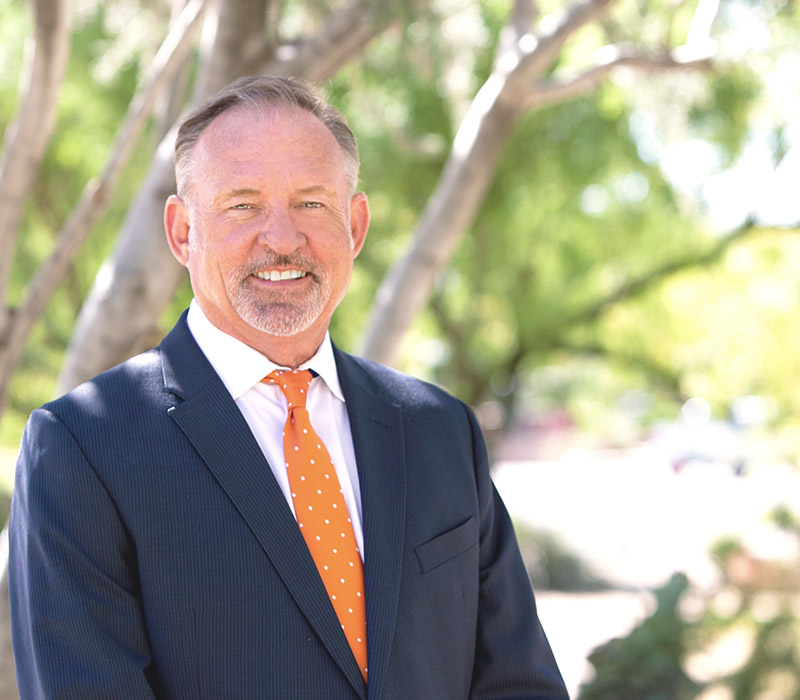
Scott spent 20+ years as a large market radio host, on-camera news talent and VP of content creation. He helps develop and manage all advisor client acquisition strategies for Quantum, including live events, digital, social and legacy media campaigns.