
As clients transition into retirement, it is important for advisors to help them prepare for the “solo years” when one spouse passes before the other one. Statistically, the male in a couple goes first, but it’s advisable to have a solo retirement plan in place for both spouses.
No one enjoys discussing it, but failing to plan for this transition can leave surviving spouses facing reduced income and higher taxes at an already emotional time. A recent article in Rethinking65 spells it out.
When the First Spouse Dies
For too many surviving spouses, the first financial shock is the loss of Social Security, causing household income to drop immediately.
While both spouses are living, usually both receive a monthly benefit. But after one spouse dies, the surviving spouse only receives one check; the higher one. For example, if a husband’s Social Security check was $3,400 per month and the wife’s was $1,900, the household was receiving $5,300 per month in income to cover household expenses. After his death, she may continue with the higher $3,400 benefit, but the $1,900 benefit disappears.
That is an annual income reduction of $22,800. Unfortunately, the household expenses generally remain the same.
The Widow’s Trap
The “widow’s trap” refers to this combination of financial pressures:
- One Social Security check, not both reducing household income significantly. (If there was a pension, it may also be reduced.)
- Single tax brackets versus married filing jointly mean higher tax rates on top of this reduced income. This increase in taxes is what many refer to as the “widow’s penalty.”
- If most of the couple’s savings are in traditional 401(k)s or traditional IRAs, every withdrawal is generally taxed as ordinary income. And without that additional Social Security income, or income replacement planning in place, the surviving spouse may have to dip more deeply into taxable funds like 401(k)s, raising income taxes even higher.
Survivor Planning
Survivor planning should become a key part of every comprehensive retirement conversation. As an advisor, you have the opportunity to look beyond portfolio returns and account balances to help create a truly customized plan for your clients. As surviving spouses often face changes and adjustments unique to their situations, consider expanding your planning toolkit when it comes to customizing a retirement plan.
Withdrawal planning is critical, and should involve considering how assets are positioned, how income will be generated, and the impact taxes will have while both spouses are living as well as after one passes away. Tax diversification is one of the most effective ways to reduce future tax exposure. Balancing traditional retirement accounts with Roth assets, taxable accounts, and liquid cash reserves can provide greater flexibility when managing retirement income.
Depending on a client’s circumstances, advisors may also consider solutions designed to provide additional income stability or liquidity. For example, permanent life insurance may help replace lost household income, provide tax-advantaged death benefits, create liquidity for final expenses or estate needs, and reduce the need for large taxable withdrawals during difficult periods.
Similarly, joint ownership annuities or joint-and-survivor annuity options may provide continued lifetime income after the death of the first spouse, helping reduce longevity risk while creating a more predictable income stream for the surviving spouse.
Your Opportunity As The Advisor
Preparing your clients for retirement is about preserving not only wealth, but financial independence, flexibility, and confidence during one of the most significant transitions a client can experience. When you expand your retirement planning conversations to include how clients can navigate the loss of income during the solo years, you can help them build plans that aren’t one-time setups, but a continuous process that adapts alongside life changes and market conditions. Building enough wealth for retirement is an important milestone, but a retirement plan that continues to work during the solo years is the true measure of long-term success.
Call Quantum at 800.440.1088 to discuss potential solutions we offer that may be appropriate for your clients’ unique retirement planning needs.
Sources:
https://rethinking65.com/the-widows-trap-why-advisors-must-plan-beyond-401ks/
https://sdrfoundation.org/joint-ownership-annuity-eligibility
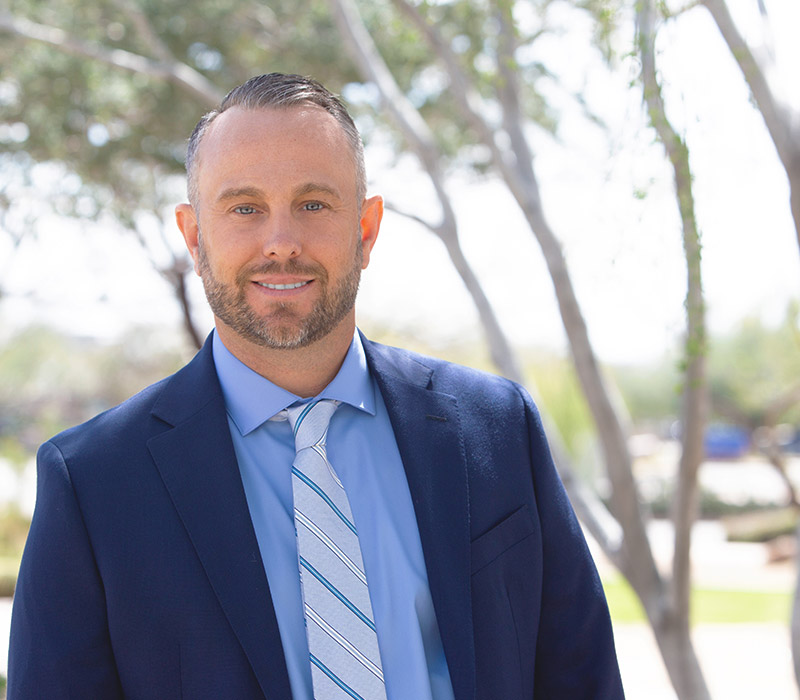
A 15-year industry veteran, Marc supports several of the nation’s leading wealth advisors and RIAs. He is a top 10 consultant nationwide and has been a top marketer since 2006, providing advisors with verified, time-tested strategies that are derived from his longevity in the business.